
One of the most common anxieties for learner drivers in the UK is the manoeuvres section of the driving test — especially parallel parking. The good news is that not being perfect at parallel parking doesn’t automatically mean you’ll fail. But you do need to meet key standards of safety, control and observation to pass your practical test. Read on for the latest information from the DVSA and gov.uk, what counts as a fault, and how to prepare for your test.
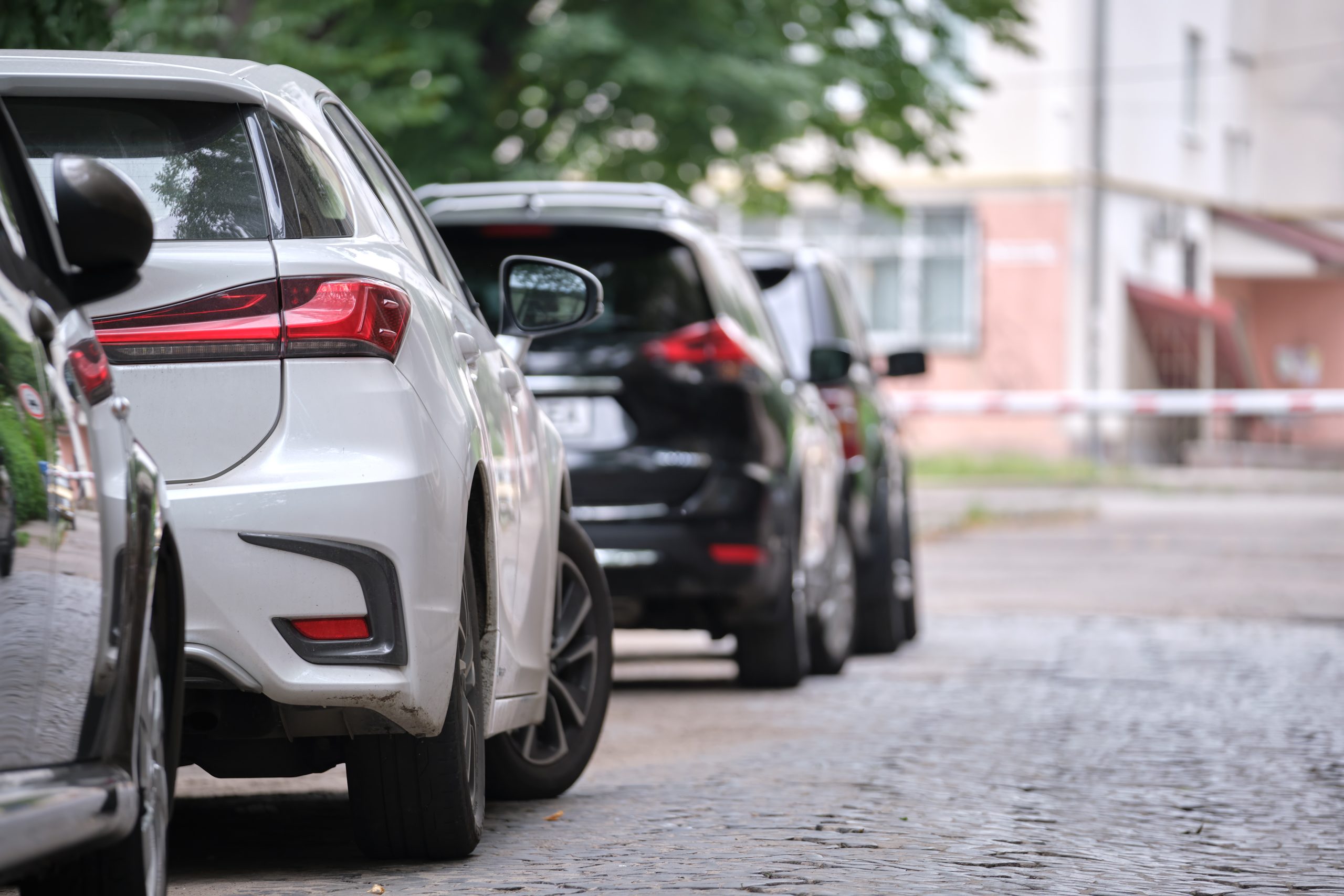
Can You Fail Because of Parallel Parking?
Yes — but only if your driving during the manoeuvre contains serious faults that impact safety.
Here’s how it works:
Here’s how it works:
✖️ What Would Cause a Fail
You only fail for a manoeuvre if you commit a serious (major) or dangerous fault — for example:
- Failing to check mirrors and blind spots
- Causing danger or an obstruction
- Losing control of the car
- Mounting the kerb or hitting something seriously
A minor imperfection — like being slightly too far from the kerb — will normally count as a minor driving fault rather than a fail. You can have up to 15 minor faults across the whole test and still pass.
✔️ You Can Still Pass Even If You Don’t Park Perfectly
- You’re allowed to correct any manoeuvre as long as it’s safe to do so.
- You won’t automatically fail just because you struggle with the spatial aspects of parking. Your examiner is assessing safety first.
- Many drivers improve with practice and still pass even if parallel parking was their weakest area.
How to Improve Your Parallel Parking Skills
Rather than hoping to avoid it on test day, give yourself the best possible chance to pass by practising. This includes:
✅ Regular parking drills
✅ Learning reference points
✅ Practising safe checks for mirrors and blind spots
✅ Regular parking drills
✅ Learning reference points
✅ Practising safe checks for mirrors and blind spots
And that’s where RouteBuddy really makes a difference.
RouteBuddy has you covered with the latest driving test routes for your sat nav or mobile device.
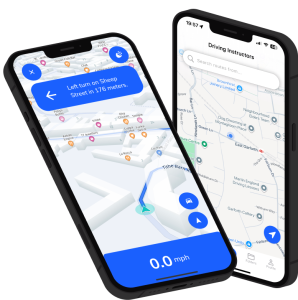
Start Practising for Your Test Today
Why Parallel Parking Is Important
Parallel parking — also called reverse park on the road — tests your ability to:
- Observe all around you
- Position the car safely
- Control the vehicle in reverse
All essential real‑world skills once you’ve passed your test.
How RouteBuddy Helps You Prepare
Preparing for your UK driving test isn’t just about theory and hours behind the wheel with your instructor. RouteBuddy gives you:
✅ Step‑by‑step local route guidance for real test routes
✅ Parking and manoeuvre zones identified so you can practise where it matters most
✅ Confidence‑boosting preparation before your test
✅ Digital route insights unlike any paper sheet or standard sat‑nav
✅ Parking and manoeuvre zones identified so you can practise where it matters most
✅ Confidence‑boosting preparation before your test
✅ Digital route insights unlike any paper sheet or standard sat‑nav
Whether it’s parking with precision or mastering independent driving sections, RouteBuddy gives you the tools to feel ready for test day.
Official GOV.UK Guidance on Manoeuvres
When you take your UK car driving test, you’ll be assessed on several skills — including general driving, independent driving and one reversing manoeuvre. This could be parallel parking, bay parking, or pulling up on the right‑hand side and reversing.
You can read the latest official guidance directly on the UK government site here: 👉What Happens During the Test
Latest Driving Test Format
The structure of the driving test hasn’t fundamentally changed, but some recent adjustments mean learners are assessed differently in terms of focus and time spent on independent driving (now around 20 minutes). The manoeuvres section still remains an important part of the practical test.
Booking and administrative rules have changed this year— for example, learners will need to manage their own bookings and face limits on how often a test can be changed. This doesn’t affect the manoeuvres themselves, but it’s useful context if you’re preparing.
Practise real driving test routes with RouteBuddy at your test centre
Available on iOS and Android
Conclusion
Parallel parking is a common concern, but UK driving test rules make clear that you won’t fail just for being imperfect at it — only if your lack of control or observation becomes a danger. Practise consistently, focus on safety, and build your confidence with tools like RouteBuddy to give yourself the best chance of success on test day.
FAQs
Q: Do I have to do parallel parking on my test?
A: You’ll be asked to perform one reversing manoeuvre — it might be parallel parking, bay parking or pulling up on the right.
A: You’ll be asked to perform one reversing manoeuvre — it might be parallel parking, bay parking or pulling up on the right.
Q: Is parallel parking mandatory to pass?
A: Not always — you’ll do only one manoeuvre. But if you’re asked to parallel park and make serious safety faults, you could fail that part of the test.
A: Not always — you’ll do only one manoeuvre. But if you’re asked to parallel park and make serious safety faults, you could fail that part of the test.
Q: Can I fail for being too far from the kerb?
A: Not automatically. Only unsafe control leading to a serious fault will cause a fail.
A: Not automatically. Only unsafe control leading to a serious fault will cause a fail.
Q: What’s the pass mark for the driving test overall?
A: No serious faults and no more than 15 minor faults across the whole test.
A: No serious faults and no more than 15 minor faults across the whole test.