
New Driver Programme

What Happens During the Driving Test UK

If you’re preparing for your UK driving test, it helps to know exactly what to expect on the day — from start to finish. This guide covers each part of the practical driving test, explains what happens during the theory test, shares DVSA‑approved tips to pass first time, and highlights common reasons learners fail so you can avoid them.
 

1. Before the Test Begins

Before the practical test itself starts, there are a few crucial checks and requirements.
Make sure you bring:
‑ Your valid UK driving licence (photocard or paper).
‑ Your theory test pass certificate if you have it — though the examiner will check against the DVSA system anyway.
‑ A suitable car that is insured, taxed and roadworthy (often the instructor’s car).
Failing to bring these can result in the test being cancelled with no refund.
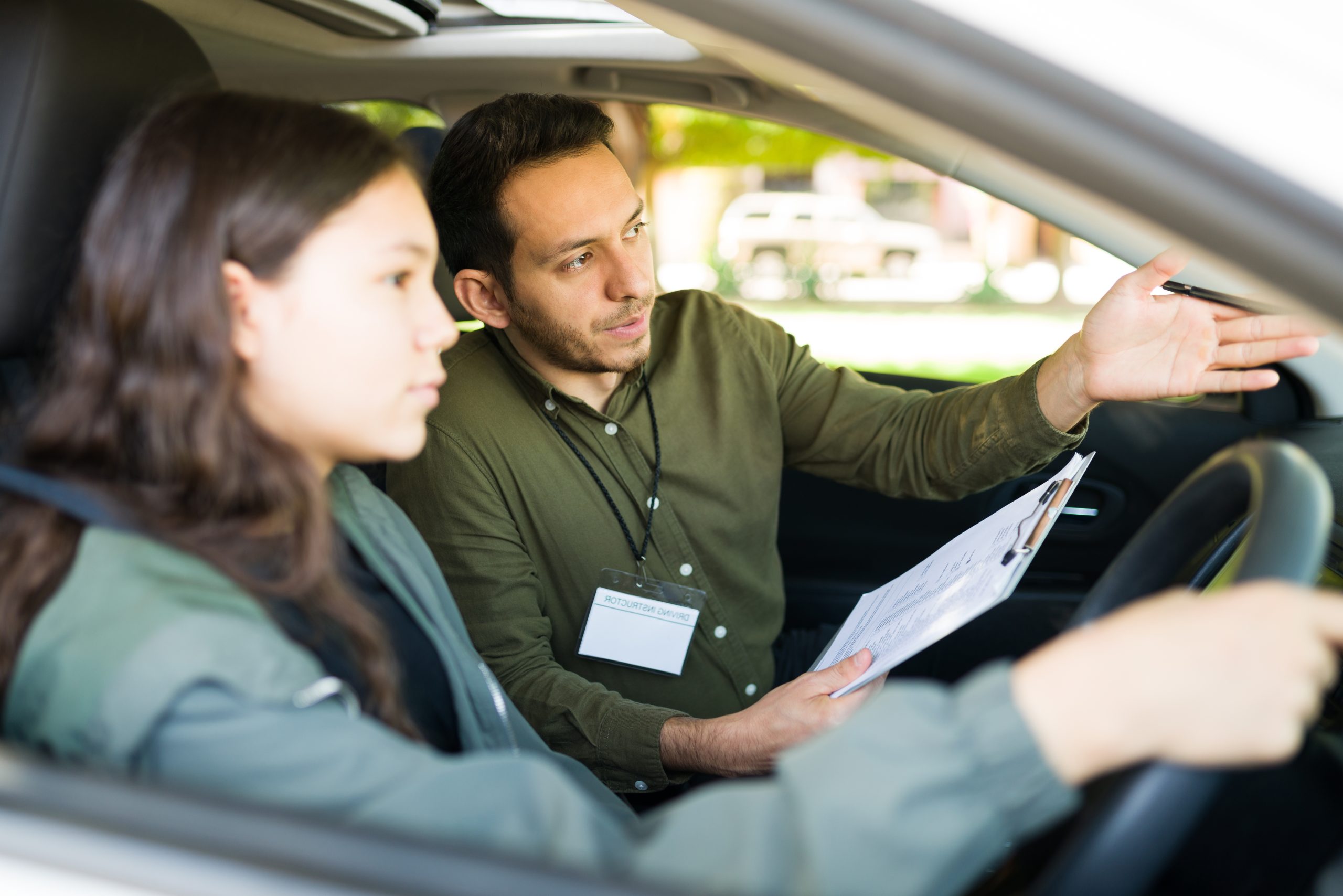
 
driving test
Booking and eligibility
You must have passed the theory test before you can book the practical. You also need a valid provisional licence to take lessons. Book Here.
 

2. Parts of the Practical Driving Test

According to official guidance from the UK Government, the practical driving test has four key parts:
 
Eyesight check – You’ll read a number plate of a parked vehicle at around 20 metres to demonstrate adequate vision.
‘Show me, tell me’ safety questions – The examiner will ask one question at the start about a vehicle safety check (tell me), and one while driving (show me).
General driving ability – You’ll drive in varied road and traffic conditions as the examiner assesses your everyday driving skills.
Reversing manoeuvre – You’ll be asked to carry out one manoeuvre such as reversing around a corner, parallel parking or a turn in the road.
The whole practical element typically lasts around 35 minutes.
 

How RouteBuddy Can Help You Pass Your Driving Test

To help you prepare for your driving test, RouteBuddy is a game-changer. Unlike generic sat-nav apps, RouteBuddy provides real driving test routes that are regularly updated with the latest  test routes, ensuring you’re practising exactly what you’ll encounter on test day.
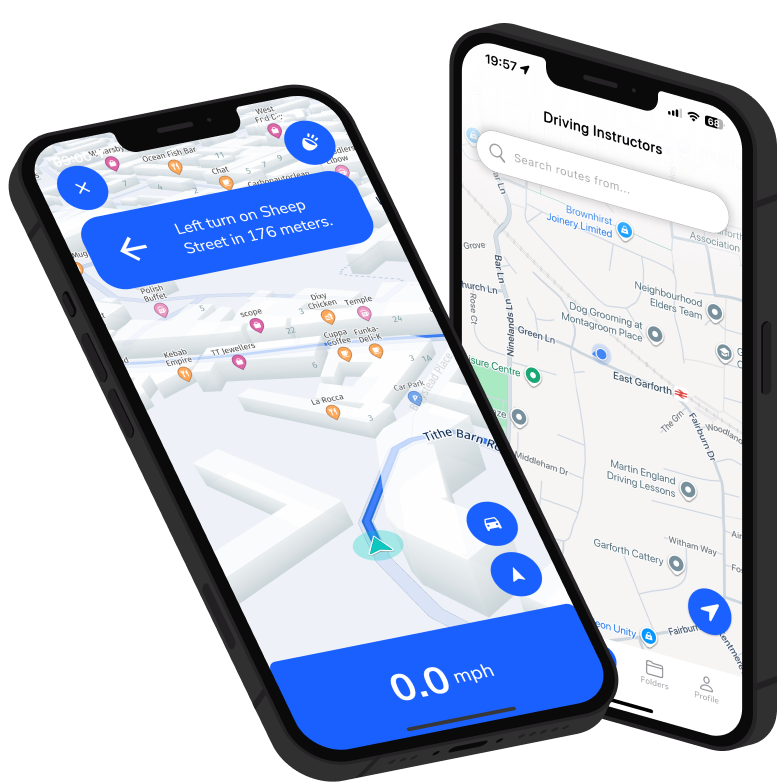
driving test routes
 

Start Practising for Your Test Today

Check Now

3. Independent Driving Section

A significant part of the practical test is independent driving. You’ll be asked to:
‑ Follow directions from a sat nav (set by the examiner),
‑ Or follow traffic signs,
‑ Or a mix of both.
This usually lasts between 20 and 35 minutes and checks your ability to make decisions and navigate safely without prompts. You cannot use your own sat nav device — the examiner sets the route for you.
 

4. How the Test is Marked

Your driving test result depends on the faults you make:
Categories of faults:
‑ Minor faults (driving faults) – small errors that don’t compromise safety.
‑ Serious faults – mistakes that show you might be dangerous on the road.
‑ Dangerous faults – immediate actions that put safety at risk.
To pass, you must not exceed 15 minor faults and must have no serious or dangerous faults. At the end of the test, the examiner will tell you whether you’ve passed and explain any serious or dangerous faults.
 

5. Top Tips to Pass the Driving Test

Here are proven strategies to prepare and succeed:

✔ Prepare for the Theory Test First

Before you can take a practical test, you must pass the theory test, which includes multiple‑choice questions and hazard perception. The DVSA offers official practice tests you can take for free online.

✔ Know the Highway Code Inside Out

Master road signs, markings, and rules. A deep understanding helps in both theory and practical.

✔ Practice Regularly in Real Conditions

Drive in a variety of situations — rain, traffic, roundabouts, hills — so nothing feels unfamiliar on test day.

✔ Take Mock Tests

Have your instructor run mock tests under exam conditions so you get used to the silence and structure.

✔ Arrive Calm and Ready

Get a good night’s sleep, arrive early, know the route to the test centre, and check your licence paperwork.
 

6. Common Mistakes to Avoid (and Why People Fail)

According to DVSA data, these are some of the top reasons learners fail:
‑ Poor observation at junctions
‑ Incorrect mirror use
‑ Unsafe moving off
‑ Incorrect lane positioning
‑ Failing to respond appropriately to signs or signals
‑ Inadequate vehicle control
Practising these skills in lessons and private practise reduces your risk of making these errors on test day.
 

Final Thoughts

Passing your UK driving test is about preparation, confidence and understanding what to expect. Follow the official steps laid out by the DVSA, practise regularly, focus on safety and good observation, and you’ll give yourself the best possible chance of success.
 

Practise real driving test routes with RouteBuddy at your test centre
Available on iOS and Android

Check Now


Frequently Asked Questions (FAQs)

Q: How long is the UK driving test?
A: Around 35 minutes for a standard test, longer if an extended test is needed.
Q: Can my instructor sit in during my test?
A: Yes, but it’s optional — they usually sit quietly and do not participate.
Q: What happens if I fail?
A: You can rebook another test after a set waiting period. Take time to improve weak areas first.
Q: Do I need my theory pass certificate on the test day?
A: The examiner will check your theory pass digitally, but bringing proof avoids issues.
 

Share This Post